Our Story


Our History / 茶園の歴史
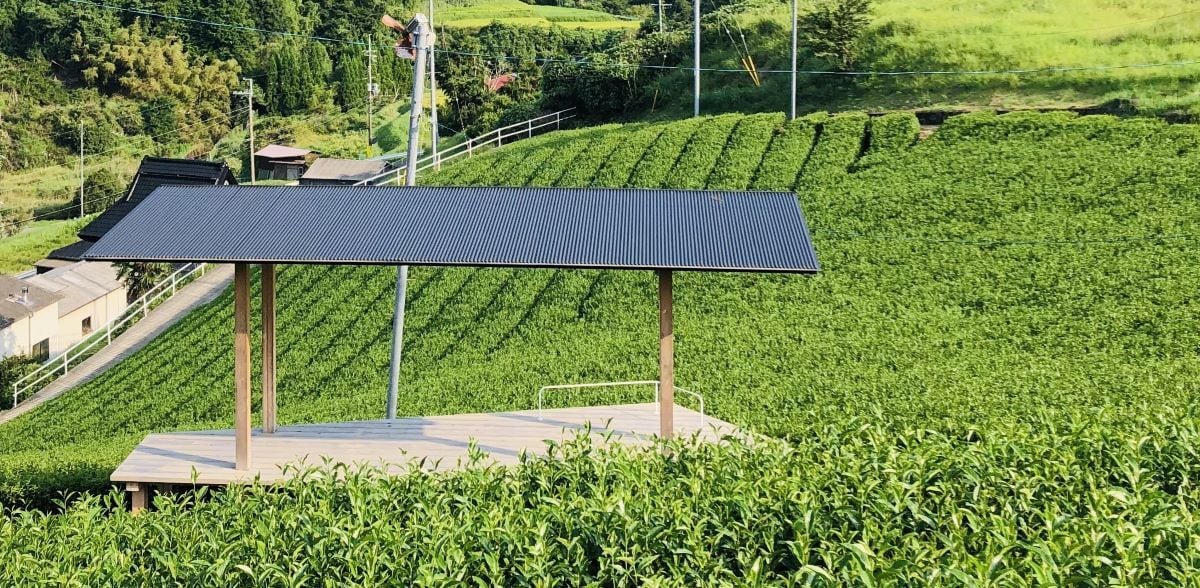
私たちの家族がこの地に根を下ろしたのは、お寺に残る記録のうえでは、初代小山 喜三郎(~1468)に遡ります。約550年代々この地を守り、自然と共に生きながら、茶づくりを受け継いできました。お茶農家としての記録が残るのは約100年前からで、現在は4代目となります。
長い歴史の中で培われた経験を生かしながら、私たちはこの地の風土を最大限に活かした茶づくりを続けています。
According to historical records kept at a local temple, our family’s roots in this land date back to our first ancestor, Kisaburo Koyama (–1468).
For over 550 years, our family has protected this land and lived in harmony with nature.
Our history as tea farmers, however, dates back about 100 years, and today we are the fourth generation of tea producers.
Drawing on the experience cultivated over this long history, we continue to produce tea that fully reflects the unique climate and character of this land.
Our Tea Farm / 茶畑
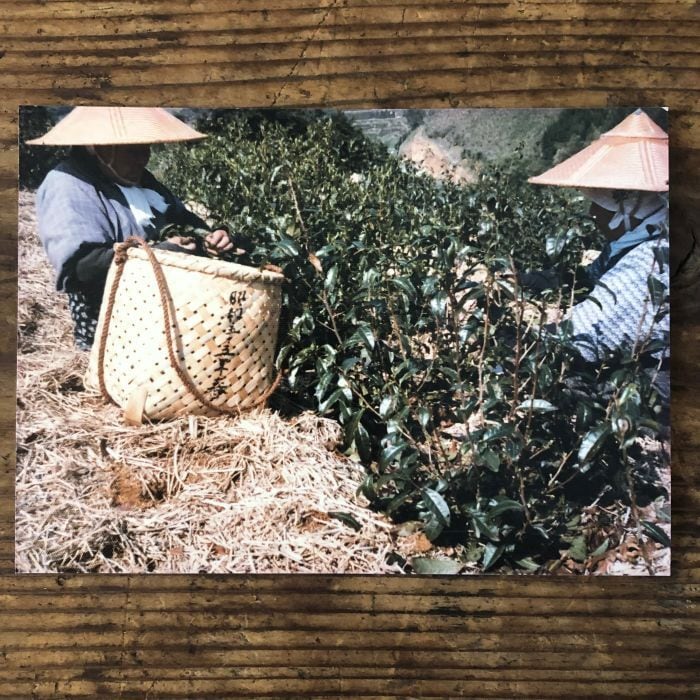
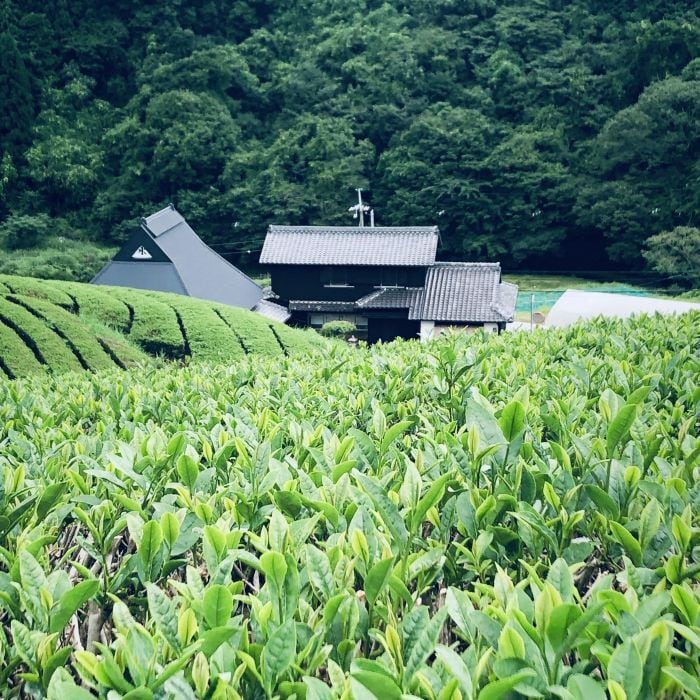
私たちの茶畑は、日本緑茶発祥の地といわれる京都府・宇治田原町にあります。標高約260mの山間に位置し、寒暖差が大きく、霧が頻繁に立ち込める環境は、上質な茶葉を育むのに理想的な条件です。また、山の勾配により水はけが良く、茶づくりに最適の土壌をつくります。
Our tea fields are located in Ujitawara, Kyoto Prefecture, known as the birthplace of Japanese green tea.
Situated in the mountains at an altitude of approximately 260 meters, the area experiences large temperature differences between day and night, with frequent mist — ideal conditions for growing high-quality tea leaves. In addition, the natural slope of the land provides excellent drainage, creating soil that is perfectly suited for tea cultivation.
Cultivation / 栽培
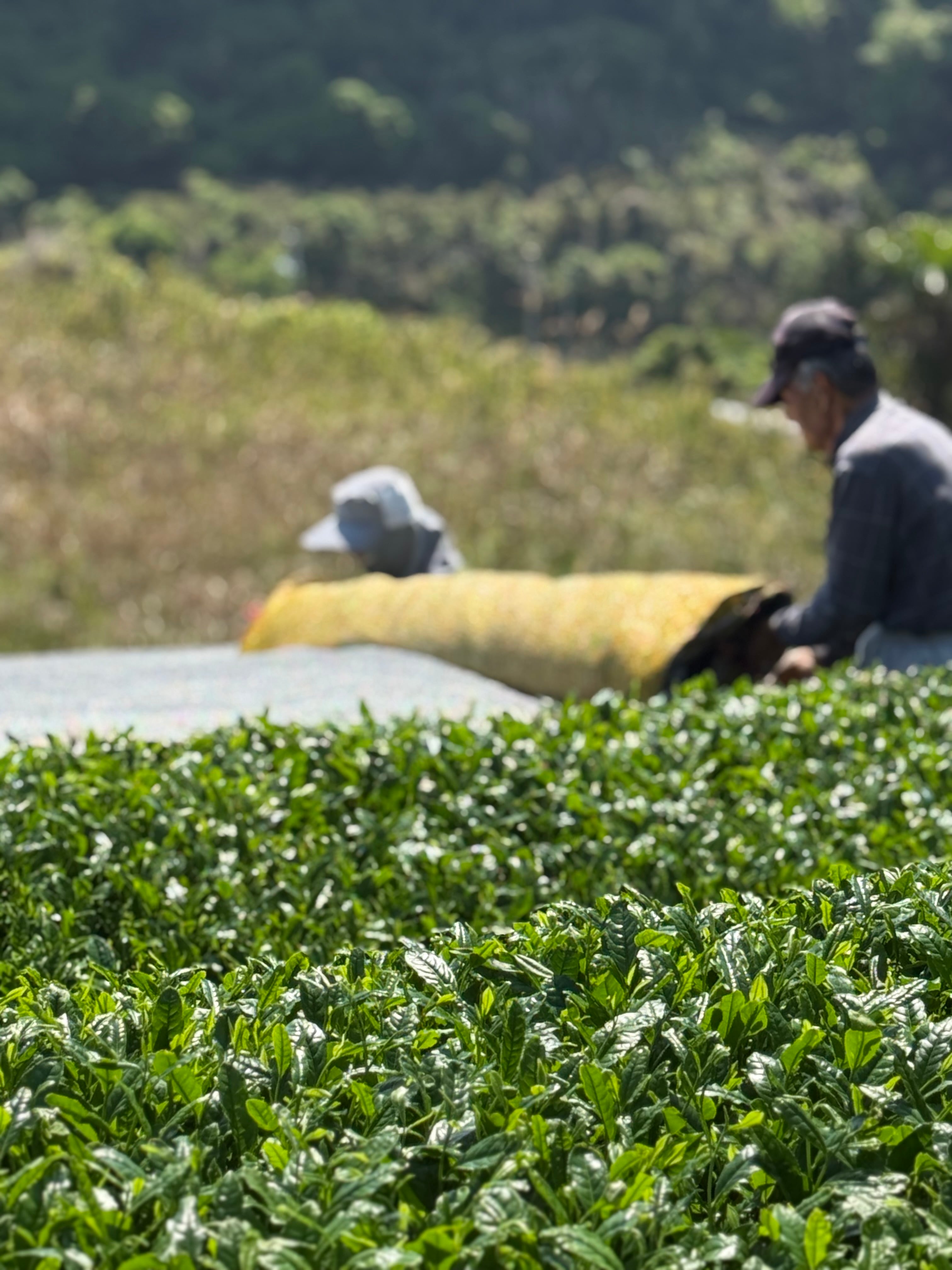
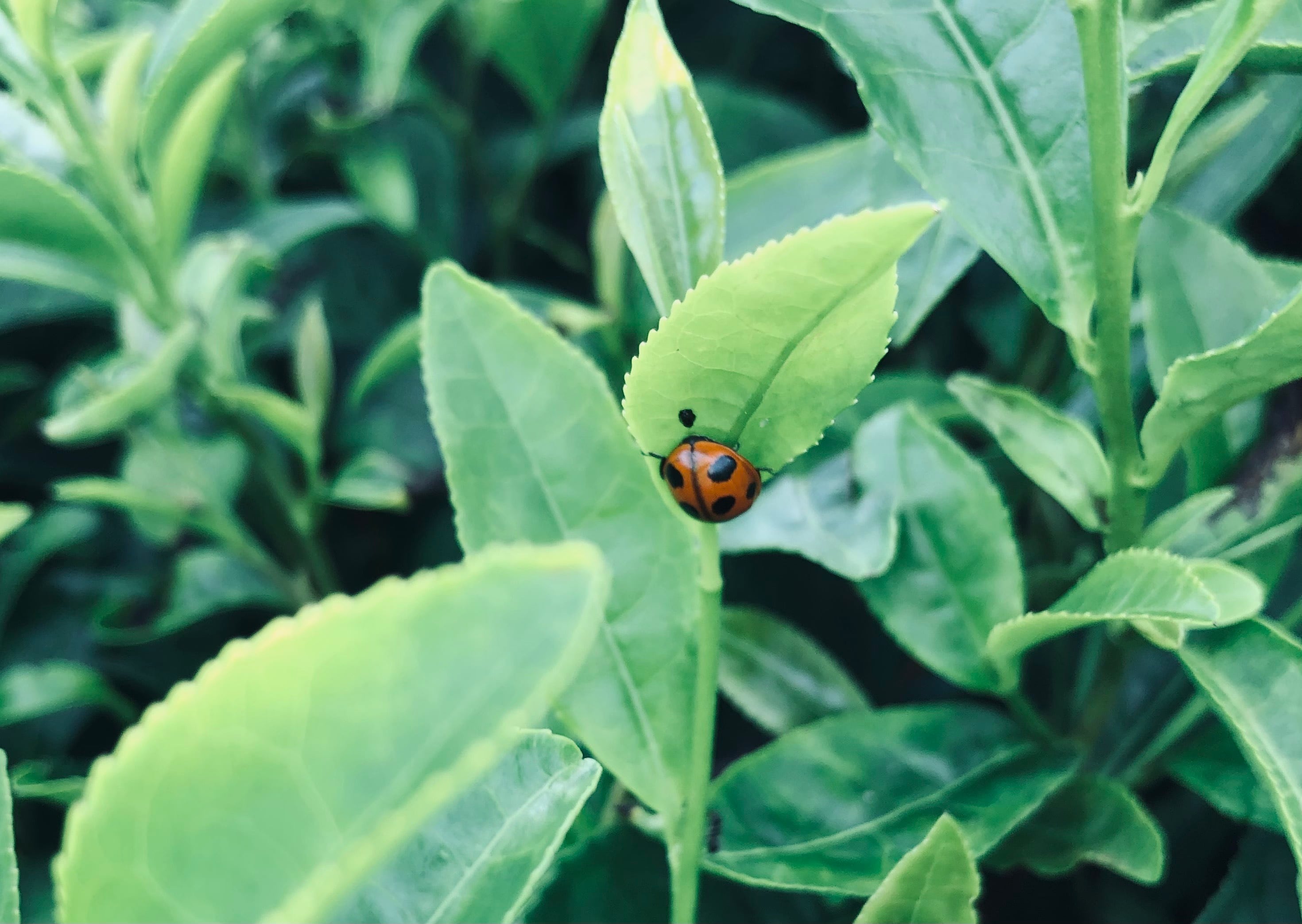
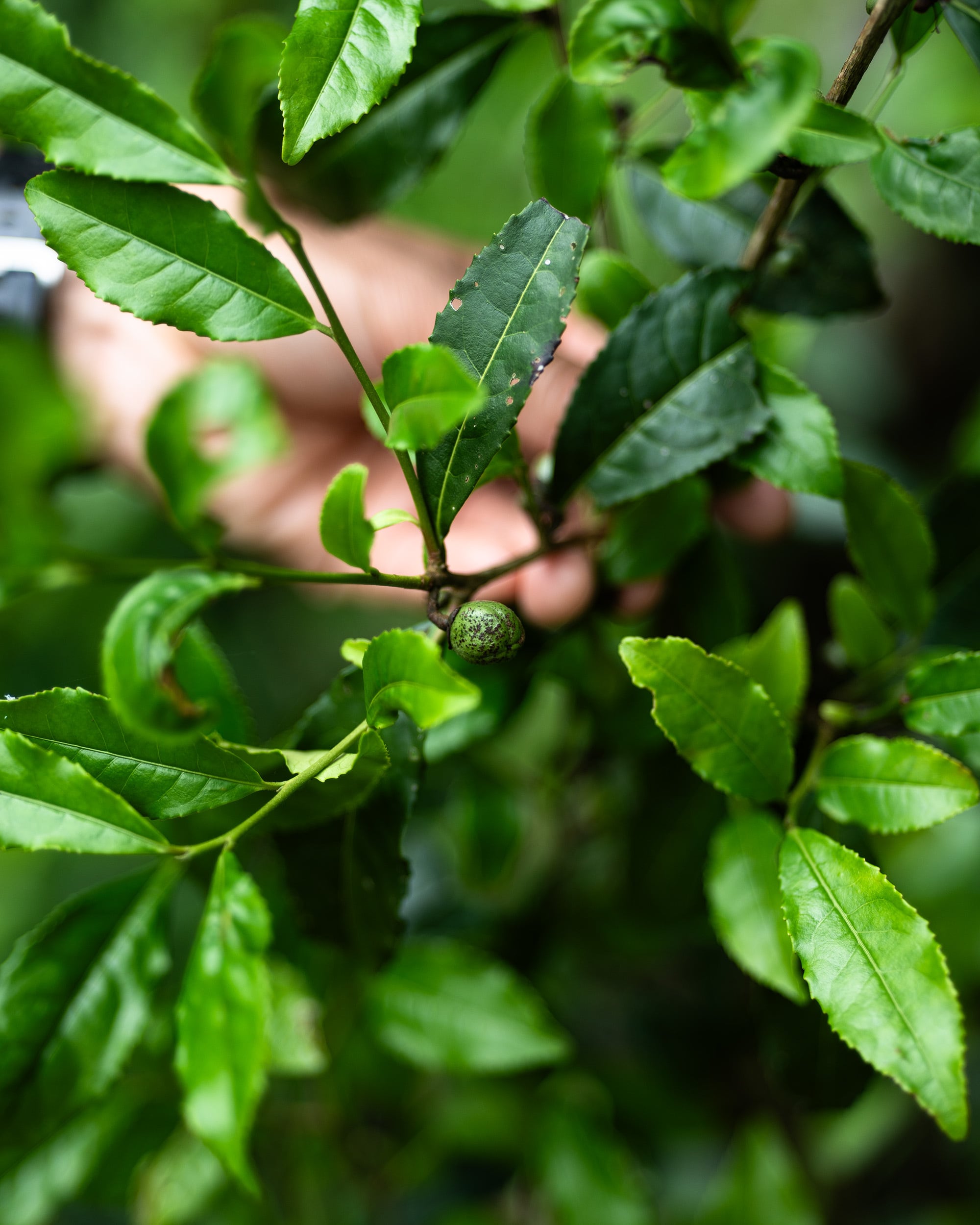
私たちの圃場はすべてオーガニック認証を取得しており、それだけでなく、農薬・化学肥料・除草剤を一切使用しない完全無農薬栽培を徹底しています。茶の木とその葉一枚一枚に丁寧に向き合い育てることで、自然の恵みを最大限に引き出しています。
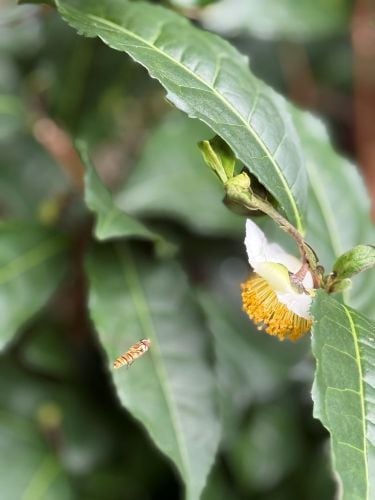
All of our tea fields are organically certified, and we go even further by practicing completely pesticide-free farming, using no agricultural chemicals, chemical fertilizers, or herbicides of any kind.
By carefully tending to each tea plant and every single leaf, we draw out the full richness and vitality of nature.
Single Cultivar, Single Estate / 単一品種
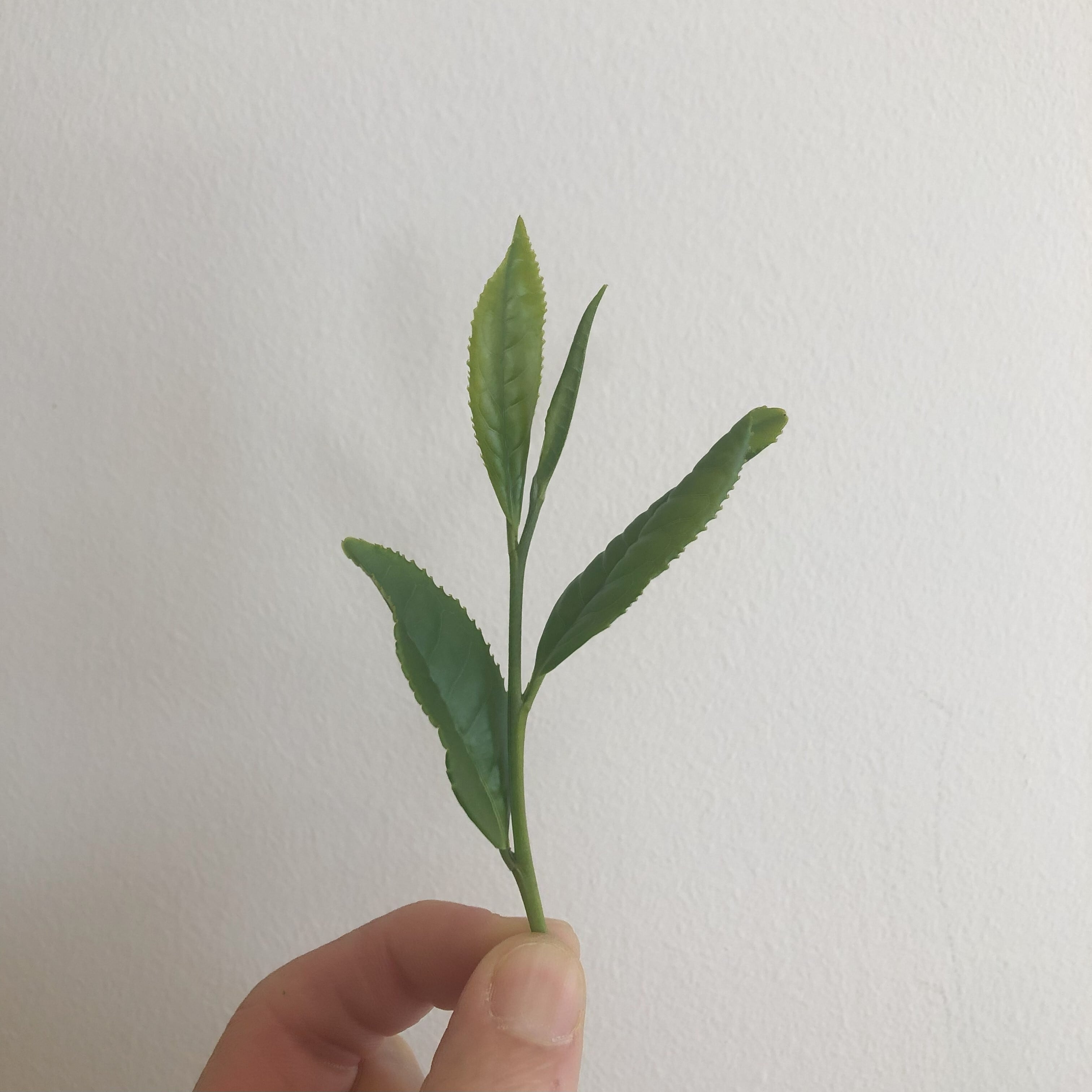
私たちのお茶はすべて単一品種・単一圃場の茶葉のみを使用し、ブレンドを一切行っていません。それぞれの品種が持つ味わい、香り、色の個性を存分に知り、楽しんでいただけます。土地ごとの気候や土壌の違いが生み出す、特別な一杯をお届けします。
All of our teas are made exclusively from single cultivars grown in single estates, and we never blend different varieties.
This allows you to fully experience the unique flavor, aroma, and color of each cultivar. We aim to deliver a truly special cup of tea, shaped by the subtle differences in climate and soil of each individual field.
Message from Us / 私たちとお茶づくり
自然の恵みで育てた、心に残るお茶を
ペットボトル入りの緑茶が広く飲まれるようになり、人とお茶との関わり方は大きく変わりました。
急須でゆっくりとお茶を淹れる機会が少なくなり、茶農家にも、より多く、より効率的につくることが求められるようになりました。私たちもまた、時代の流れの中で生産量を増やし、農園を大きくする道を歩んでいました。
私たちのお茶づくりを見つめ直すきっかけとなったのは、あるお客さまからいただいた、お茶の味についての率直な言葉でした。
当時の私たちは、その言葉を素直に受け止めることができませんでした。しかし、心のどこかに残り続け、やがて、自分たちがつくるお茶は、茶葉が本来持っている風味を素直に表現できているのだろうかと考えるようになりました。
その土地に根を張り、自然の中で育った茶葉がもともと持っている香りや味わいを、できるだけそのまま一杯のお茶にしたい。
その思いが、私たちのお茶づくりを変える転機となりました。
2016年から、農薬や化学肥料に頼らない有機栽培へ少しずつ転換し、2021年秋には、すべての茶畑で有機認証を取得しました。
それは、栽培方法だけを変えることではありませんでした。
農園の規模を見直し、一年に一度の一番茶に力を注ぐこと。自然の小さな変化に目を配り、その年、その畑にしか生まれない味を大切にすること。そして、自分たちの目と手が届く範囲で、一人ひとりのお客さまに誠実にお茶を届けること。
私たちにとっての有機栽培への転換は、お茶づくりそのものを見つめ直し、本当に大切にしたいものを選び直すことでもありました。
また、完成したお茶だけでなく、それが育つ茶畑や、茶農家の日々の営みもお客さまと分かち合いたいと考えるようになりました。
その思いから、私たちは一組のお客さまだけをお迎えするプライベートファームツアーを行っています。
茶畑を歩き、土地の風や香りを感じる。ゆっくりと煎茶を味わい、最後は茶室で一碗の抹茶を楽しむ。
お茶について知るためだけの見学ではなくお茶が生まれる場所に身を置き、自然とともに過ごしていただける静かな時間を体験いただいています。
増やすことより、大切なものを残すということ
有機栽培への転換をきっかけに、私たちは「どれだけ多くのお茶をつくるか」よりも、「自分たちはどんなお茶を届けたいのか」を考えるようになりました。そして少しずつ、お茶づくりのあり方そのものを見直してきました。
現在、私たちがつくるのは、春に収穫する一番茶だけです。二番茶や秋のお茶はつくらず、一年に一度の収穫に向き合っています。
生産量を増やすという意味では、効率的な選択ではないかもしれません。
それでも、私たちが育てた茶葉がどこの畑で、どのように育ち、どんな人の手を経て一杯のお茶になるのか。そのすべてを自分たちの言葉で伝えられることを、大切にしたいと思っています。
たくさんつくることよりも、自分たちが本当に届けたいと思えるお茶をつくること。
それが、有機栽培への転換を経て、私たちがたどり着いた今のお茶づくりです。
この土地で育ったお茶が、皆さまの日々の暮らしをほんの少し豊かにする。
そんなお茶を、これからもこの土地で丁寧に育て続けていきたいと思っています。
小山園製茶場
代表 小山 喜徳

Tea Grown with Nature, Made to Be Remembered
The rise of ready-to-drink bottled green tea brought a profound change to the relationship between people and tea.
As fewer people took the time to prepare tea in a kyusu teapot, tea farmers were increasingly expected to produce more, faster and more efficiently. We, too, followed this movement, increasing our production and expanding the size of our farm.
The turning point came through an honest comment from one of our customers about the taste of our tea.
At the time, we could not readily accept what we had heard. Yet the words stayed with us and gradually led us to question whether the tea we were producing truly expressed the natural character of the leaves.
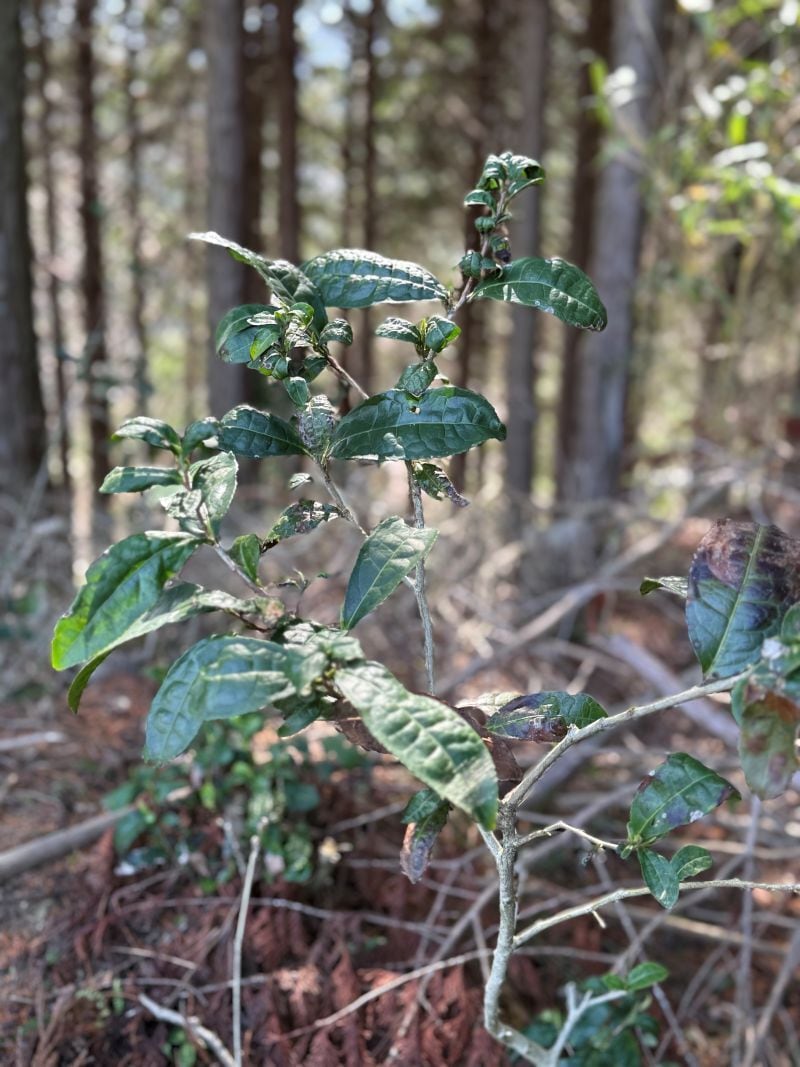
We began to hope that the aromas and flavors already present within tea leaves—rooted in this land and nurtured by nature—could be expressed as honestly as possible in every cup.
That realization changed the way we approached tea.
In 2016, we began gradually transitioning to organic cultivation without pesticides or chemical fertilizers. By the autumn of 2021, all of our tea fields had received organic certification.
This was about more than simply changing the way we cultivated our fields.
It meant reconsidering the size of our farm and devoting our attention to a single harvest—the first flush of spring. It meant observing even the smallest changes in nature and valuing the character found only in a particular field and a particular year. It also meant working within a scale that allows us to remain closely involved and to deliver our tea to each customer with care and sincerity.
For us, the transition to organic cultivation was also an opportunity to reconsider tea making itself and to choose, once again, what we truly wished to preserve.
We also came to feel that we wanted to share not only the finished tea, but also the fields where it grows and the everyday life of the farmers who care for it.
From this wish, we began welcoming one private group at a time to our tea farm.
Guests walk through the fields, feeling the breeze and taking in the scents of the land. They slowly enjoy sencha before entering the tea room to finish with a bowl of matcha.
This is not simply a visit to learn about tea. It is a quiet time spent in the place where tea is born, surrounded by nature.
Choosing What Matters Over Producing More
Our transition to organic cultivation led us to think less about how much tea we could produce and more about what kind of tea we truly wanted to share. Little by little, we began reconsidering the way we made tea itself.
Today, we harvest only once a year, in spring. We no longer produce second or autumn harvests, choosing instead to devote ourselves to that single annual harvest.
From the standpoint of increasing production, this may not be the most efficient choice.
Even so, what matters to us is being able to explain, in our own words, where the tea we grow comes from, how it was cultivated, and whose hands helped bring it from the field to the cup.
Rather than producing more, we want to make tea that we ourselves truly believe is worth sharing.
That is the way of tea making we have arrived at through our transition to organic cultivation.
We hope that the tea grown on this land can bring a small moment of richness to everyday life.
And we hope to continue growing such tea here, carefully and with care for the land, for many years to come.
KOYAMA TEA FARM & GARDEN
Owner: Yoshinori Koyama
